Harry
Cochran
Cochran
Rogers, Virginia
The architect of the untouchable. Cochran — an architecture major by training — builds the
structures history was too afraid to finish, and armors them so they cannot be unmade.
His Coexist is engineered like a bunker: steel stick frame, polymer clay that cures
as hard as steel, gold leaf, oil paint — and, fused into the material itself, the artist's
own body: his pubic hair forms the Prophet Muhammad's beard — placed there, in his reasoning,
so that no one would dare lay a hand on the work. The taboo is the bodyguard. The sculpture
depicts Pope Benedict XVI enthroned at St. Peter's, receiving fellatio from a Hasidic Jew —
while the Prophet Muhammad, reverse cowgirl, masturbates onto the Qur'an. Every Abrahamic
faith in one frame, none of them spared. It exists because his earlier work — Skyscraper, a Qur'an
from a Muslim gift shop, gold-leafed
and stitched onto an American Standard dispenser, shown at the Religion Is Poison
exhibition at Cueto James Art Gallery — was destroyed by a wine-throwing visitor. Harry took the
wine-soaked piece into the bathroom to clean it and returned without it. Waste not, want not —
he used it. The night
before that same opening, he built Barbie's Last Supper: a plastic relief of the
most sacred meal in Western art, bought for pocket change at a Catholic church bazaar, its
apostles recast with Barbies, the table running with resin blood, the arches mounted with
pages cut from gay magazines — glued, in the artist's own words, with his semen. He laughed
almost the entire time he made it. It sold at the show. Most artists
vandalized retreat. Cochran hardened. He is currently completing the Temple of Baal — the
temple on Epstein's island, unfinished in fact — in steel, resin, enamel, and gold, as a
private commission that will never be shown. He doesn't have a five-year plan. He has a
current obsession, pursued until it is steel and gold and unignorable. This house watches
what he finishes next.
Available Works
Coexist
Steel stick, polymer clay, gold leaf, oil paint
Mixed media sculpture
▶ Push Play — watch the episode
Mixed media sculpture
▶ Push Play — watch the episode
Available — Inquire
Inquire →
From the Archive
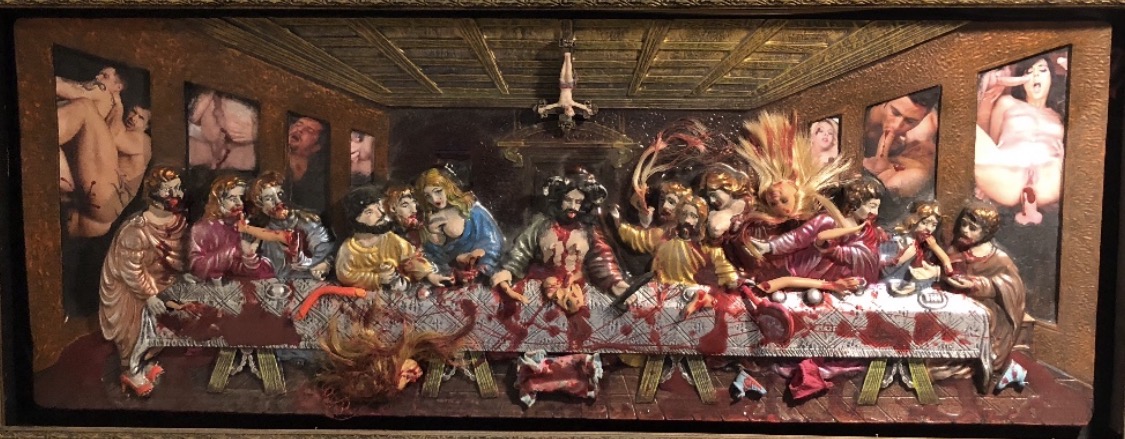
Barbie's Last Supper
Plastic Last Supper relief, Barbie dolls, resin blood,
polymer clay, magazine collage, mixed media
polymer clay, magazine collage, mixed media
▶ Push Play — Minerva Sarofim
Sold — Private Collection, New York
Exhibited: Religion Is Poison, Cueto James Art Gallery, Houston.
Acquired at the exhibition by the work's first collector, New York DJ Keoki.
Acquired at the exhibition by the work's first collector, New York DJ Keoki.
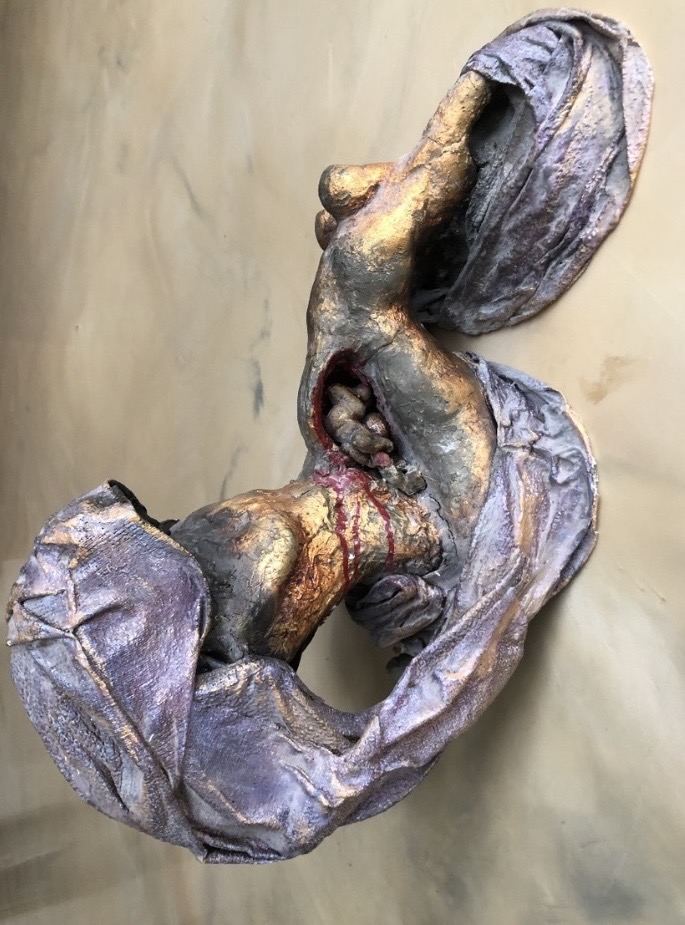
Immaculate Conception
Polymer clay, ruby red glass,
gold leaf, lavender bronze patina
20 × 7 in.
gold leaf, lavender bronze patina
20 × 7 in.
▶ Push Play — Minerva Sarofim
Sold — Private Collection, Germany
Exhibited: Religion Is Poison, Cueto James Art Gallery, Houston.
Acquired at the exhibition.
Acquired at the exhibition.
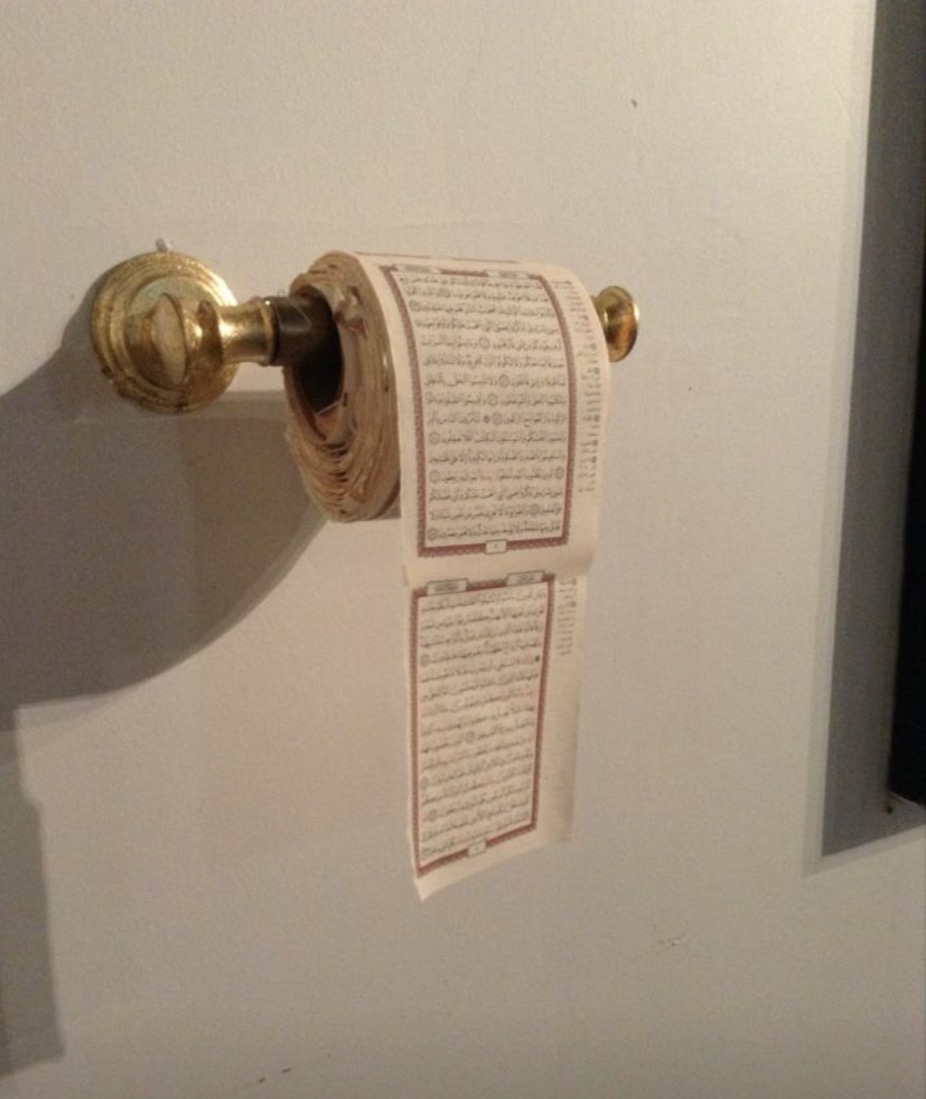
Skyscraper
Quran pages stitched end-to-end,
gold-leafed roll, American Standard dispenser
gold-leafed roll, American Standard dispenser
▶ Push Play — Minerva Sarofim
Destroyed — Religion Is Poison, Houston
Vandalized with red wine at the exhibition.
Completed by the artist's own hand — "waste not, want not."
Completed by the artist's own hand — "waste not, want not."
James
Perez
Perez
Houston, TX

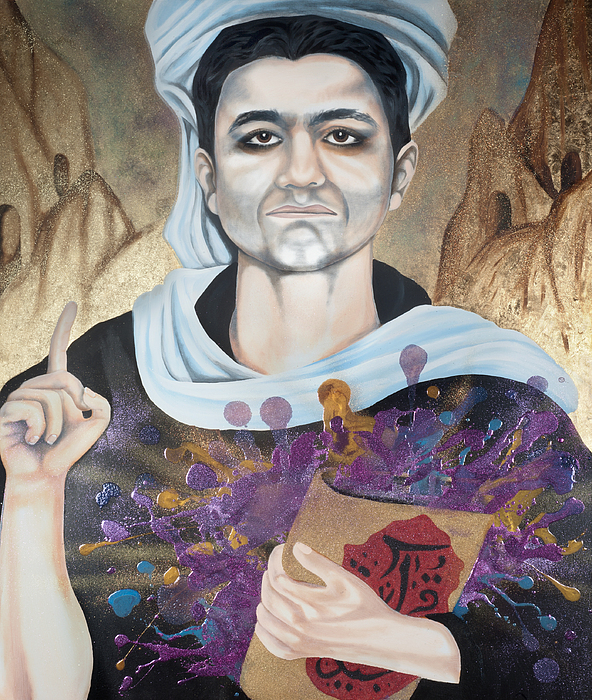
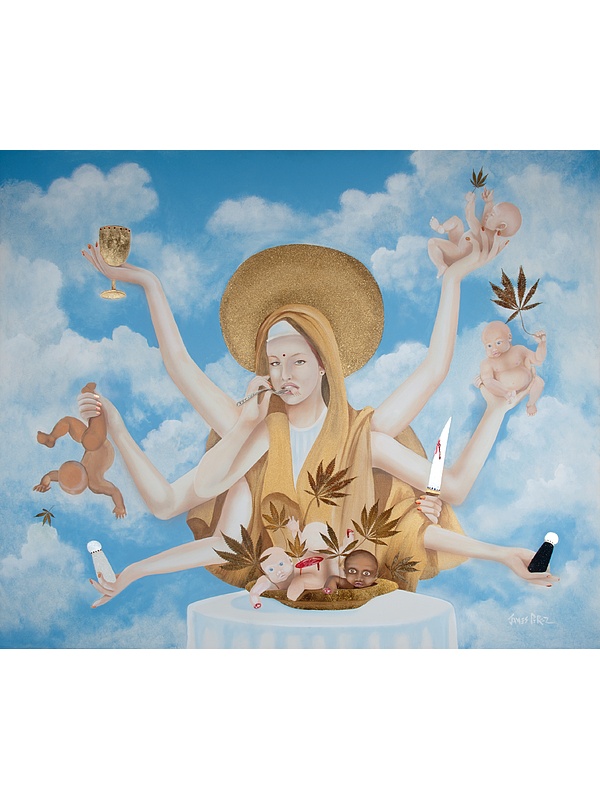
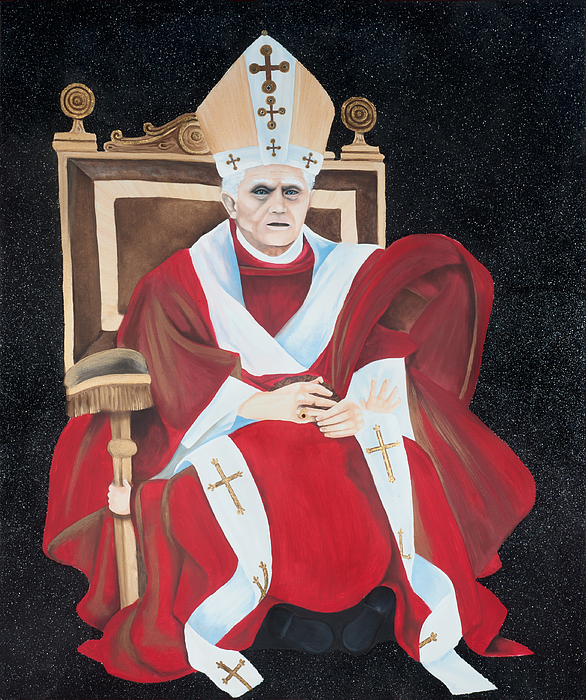
James Perez does not work in multiples. Every piece he makes is unrepeatable by
design — painted on real American flags, Pride flags, and Mercedes hoods. Set with
genuine diamonds. Gilded in 22kt gold. Built around human remains. These are not
materials chosen for effect. They are the effect. You cannot print what Perez makes.
You cannot manufacture it. The object itself carries the weight — and that weight is
deliberate. His imagery provokes. His materials confirm it.
Available Works
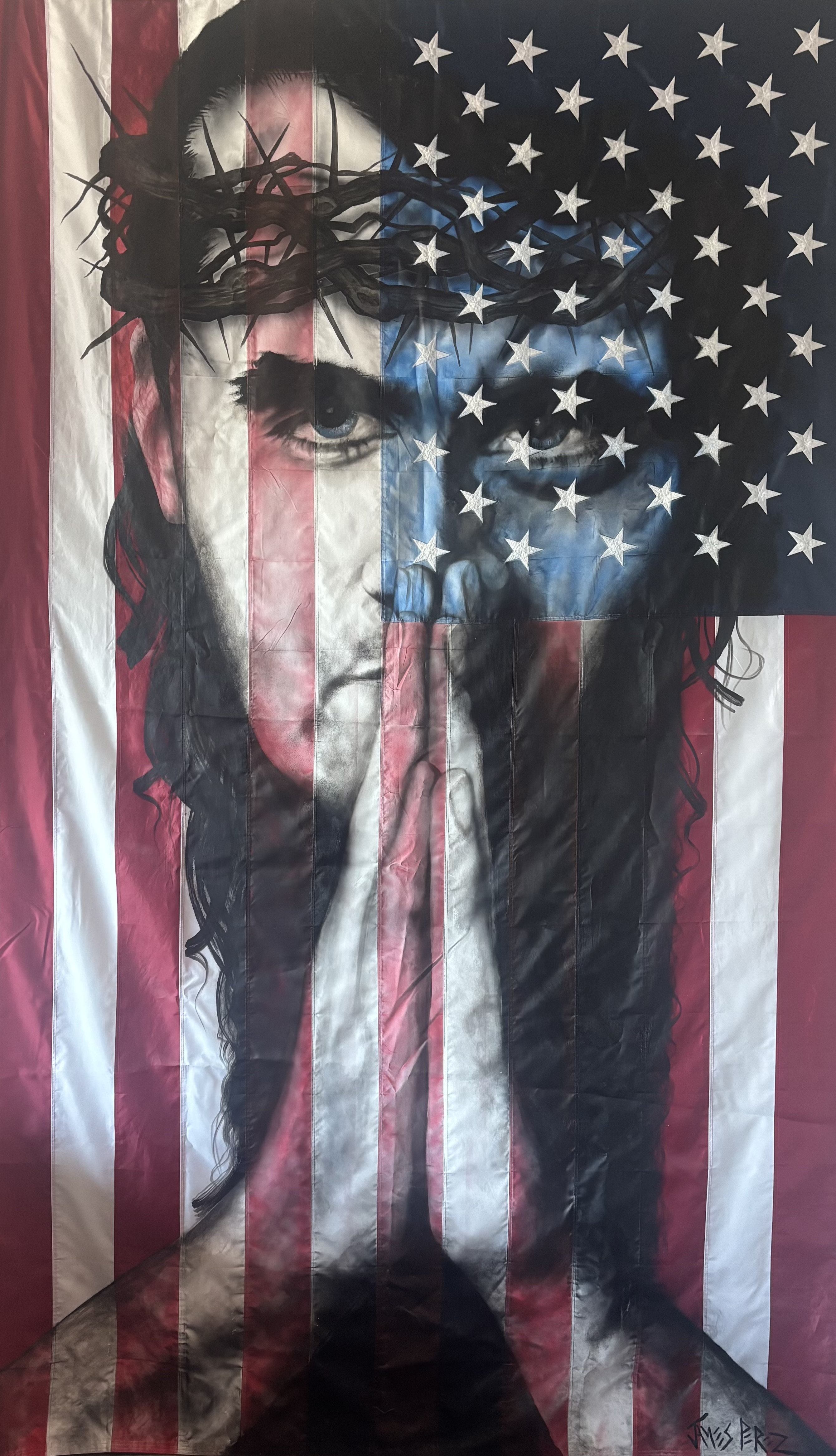
Inclusion of Church and State
Oil on authentic American flag
72 × 120 in. (6 × 10 ft.)
72 × 120 in. (6 × 10 ft.)
▶ Push Play — Minerva Sarofim
Available — Inquire
Inquire →

Girl on a Train
Oil and airbrush on authentic American flag,
stretched on canvas
24 × 36 in.
stretched on canvas
24 × 36 in.
▶ Push Play — Minerva Sarofim
Available — Inquire
Inquire →
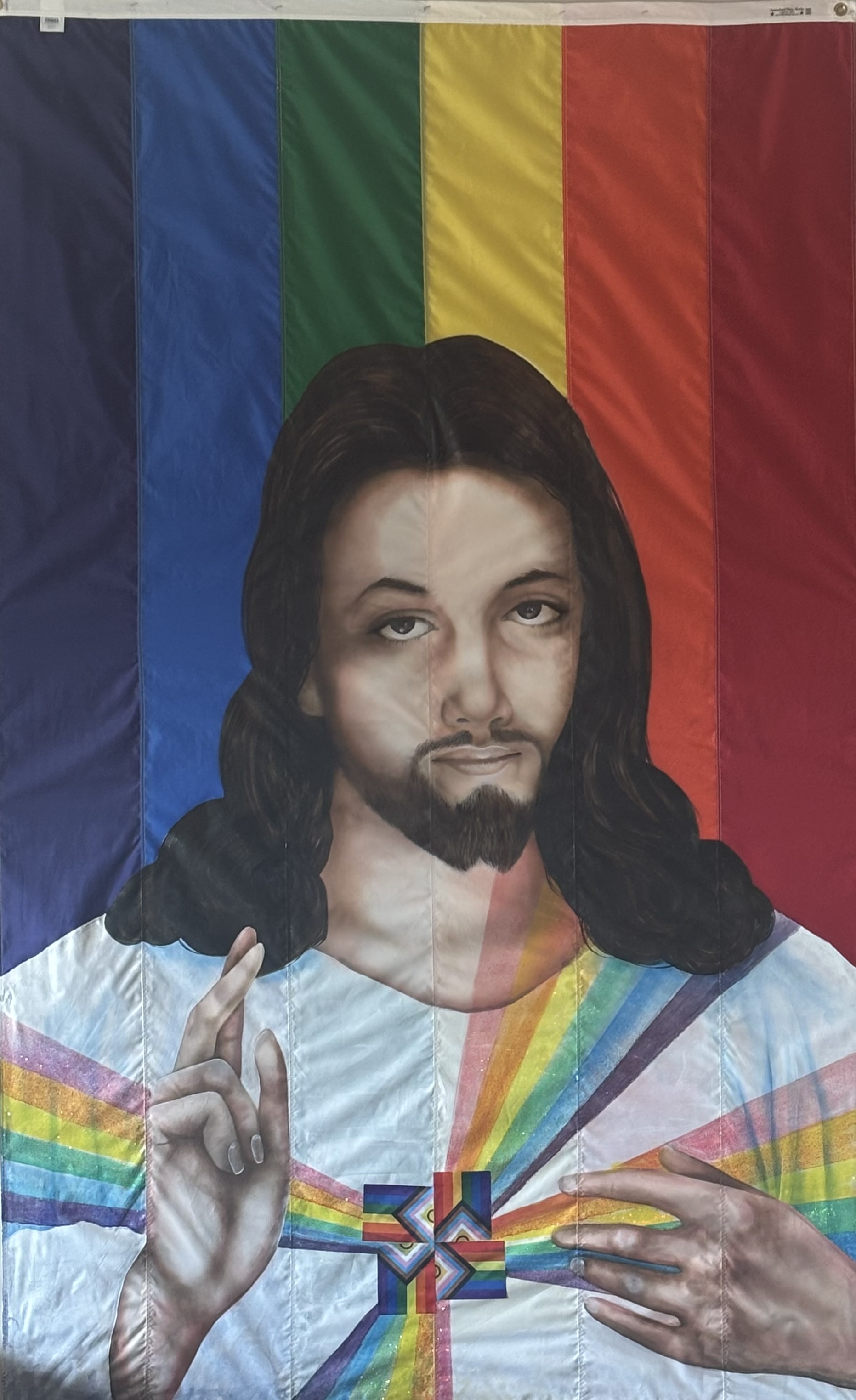
Flags Hate Jesus
Oil on authentic Pride flag
48 × 96 in. (4 × 8 ft.)
48 × 96 in. (4 × 8 ft.)
▶ Push Play — Minerva Sarofim
Available — Inquire
Inquire →

Lady and the Beast
Oil on 1997 Mercedes-Benz hood bonnet,
adorned with 97 carats of diamonds
adorned with 97 carats of diamonds
Princess Diana was killed in a 1997 Mercedes-Benz.
This is the same make and model.
This is the same make and model.
▶ Push Play — Minerva Sarofim
Available — Inquire
Inquire →
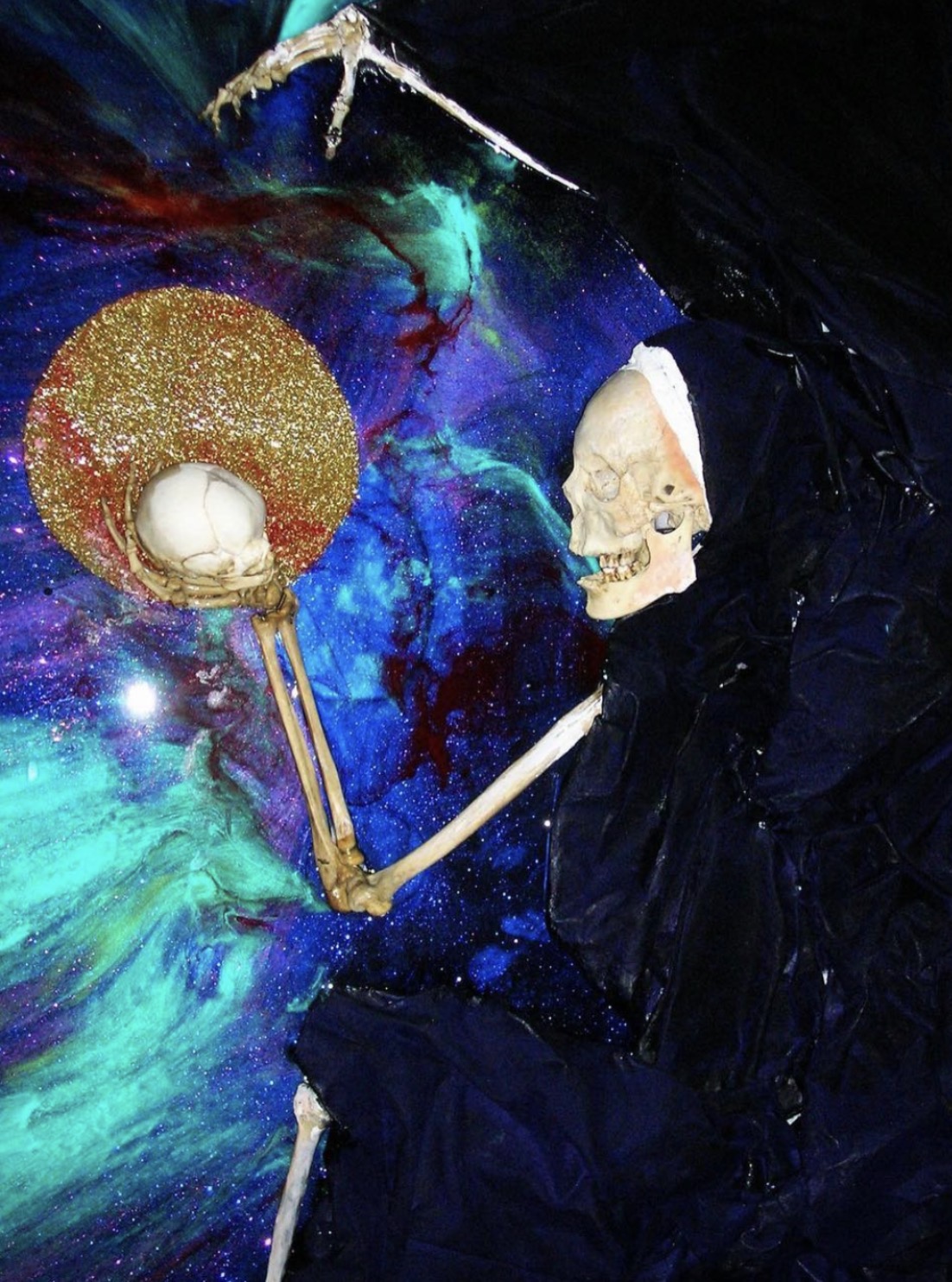
Necromancer
Black velvet dipped in resin with 22kt gold,
incorporating real human skeletal remains
(mother and child) on canvas
60 × 84 in. (5 × 7 ft.)
incorporating real human skeletal remains
(mother and child) on canvas
60 × 84 in. (5 × 7 ft.)
▶ Push Play — Minerva Sarofim
Sold
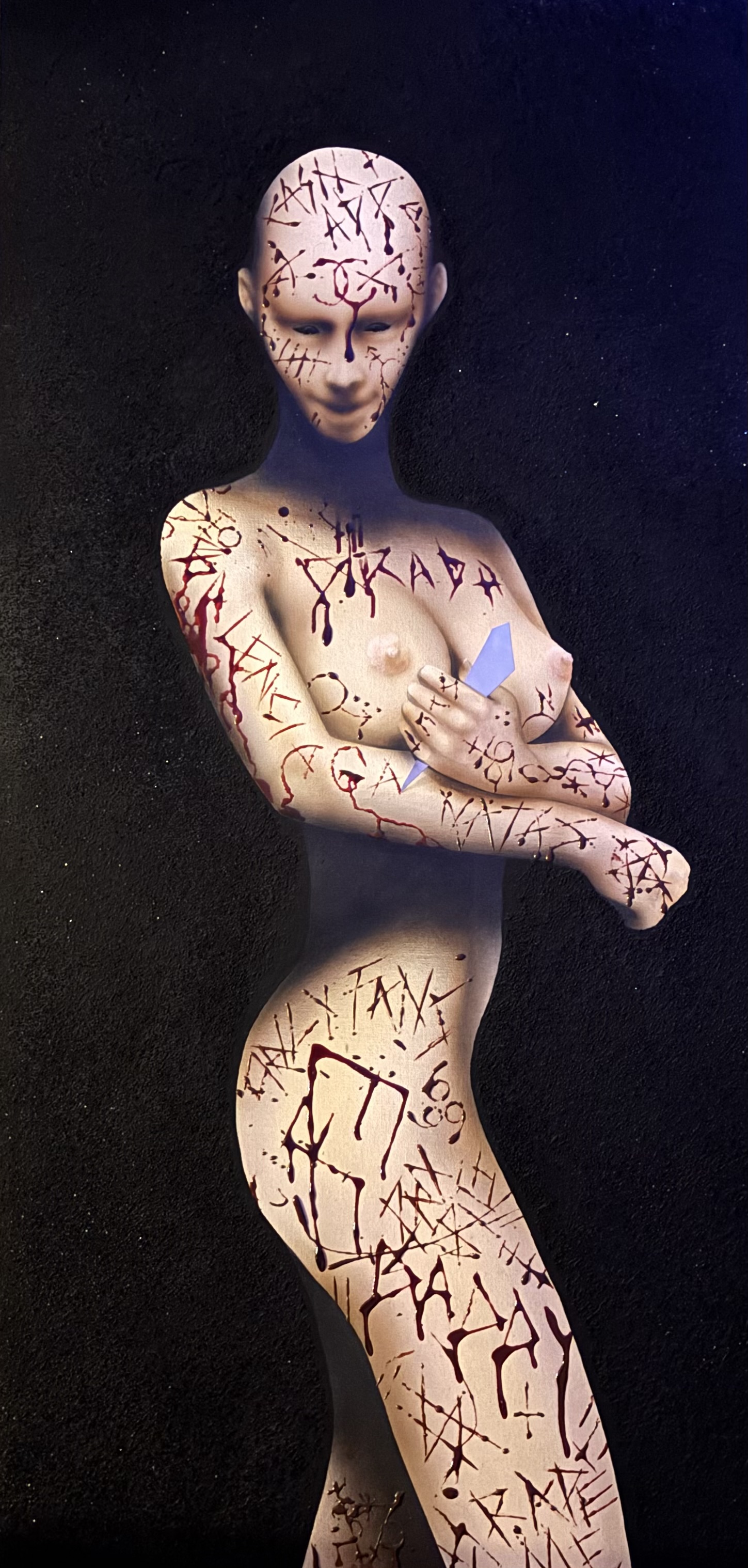
Possession the Sugar Baby Demon
Airbrush, oil paint, resin, and blood on canvas
22 × 38 in.
22 × 38 in.
▶ Push Play — Minerva Sarofim
Available — Inquire
Inquire →
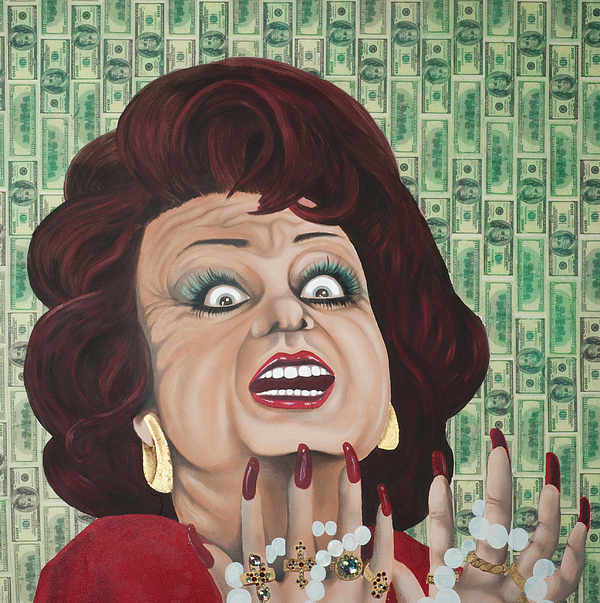
Greed
Oil, crushed glass, gold leaf, glitter, resin
$4,600 counterfeit $100 bills, 14kt gold, rubies, 30-carat Swarovski crystal
48 × 48 in.
$4,600 counterfeit $100 bills, 14kt gold, rubies, 30-carat Swarovski crystal
48 × 48 in.
▶ Push Play — Minerva Sarofim
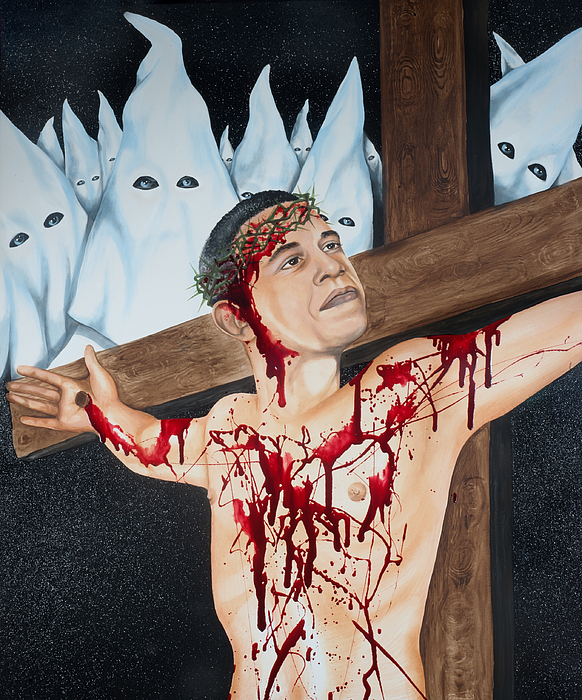
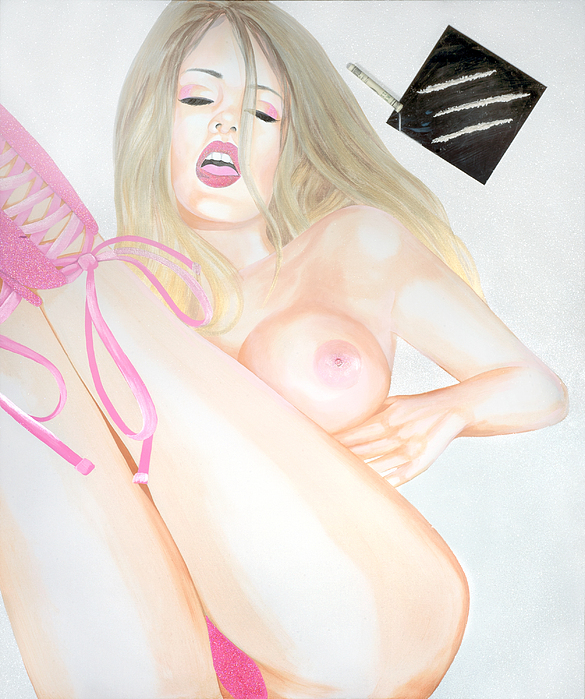
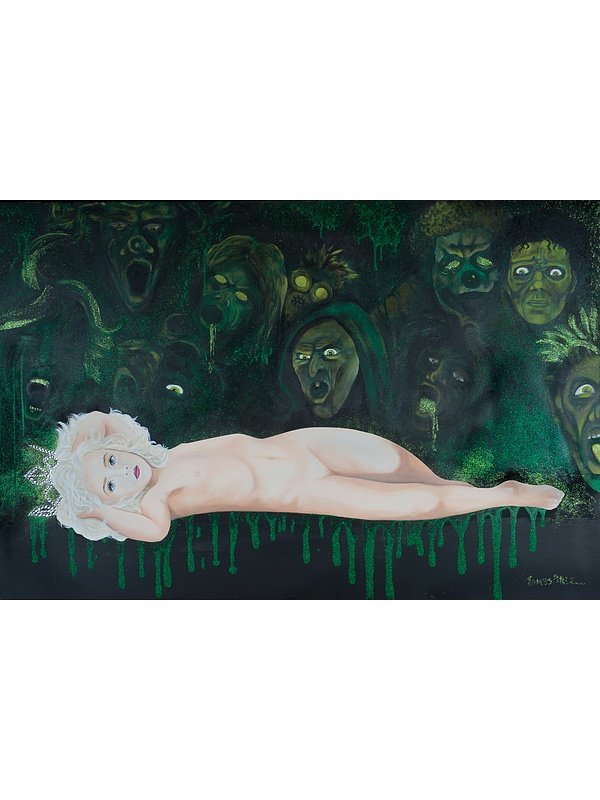
Envy
Mixed media on canvas with 67 carats of diamonds
72 × 48 in.
72 × 48 in.
▶ Push Play — Minerva Sarofim
Andres
Serrano
Serrano
New York, NY
The blueprint. In 1987 Serrano photographed a crucifix submerged in his own urine and
called it Piss Christ — and for nearly forty years the work has been attacked,
banned, denounced from the Senate floor, and hammered by vandals in Avignon. The damaged
print still bears the blows. It is showing right now in New Brunswick, drawing fresh
outrage in 2026, and the last one sold at Sotheby's for £130,000. Serrano insists the
work is devotional. That sincerity — that refusal to choose between the sacred and the
obscene — is exactly the territory this house is built on. He proved the market for it
before the market had a name.
Nadya
Tolokonnikova
Tolokonnikova
Pussy Riot — Moscow / exile
She served two years in a Russian penal colony for forty seconds of punk prayer inside
Moscow's Cathedral of Christ the Savior. Then she turned the sentence into a practice.
POLICE STATE at MOCA. A counter-exhibition of works by Russian political prisoners
staged against the Venice Biennale's reopened Russian pavilion: "Russia's art today is
blood." Tolokonnikova works the exact seam this house exists to represent — where the
cathedral, the state, and the body collide.
Victor
"Marka27" Quiñonez
"Marka27" Quiñonez
Queens, NY / East Dallas, TX
His I.C.E. Scream paletas — resin sculptures shaped like Mexican popsicles,
embedding handcuffs, rosaries, and replica firearms, sticks stamped with a parody seal:
U.S. Inhumane and Cruelty Enforcement — were too much for the University of
North Texas, which shuttered his exhibition Ni De Aquí, Ni De Allá within days
of opening in February 2026. The provost texted the president about managing "barking
from our friends in Austin." NPR told the story this month. Born in Ciudad Juárez,
raised in East Dallas, Marka27 makes pop objects that do what pop was always supposed
to do: smuggle the unbearable into the familiar.
Marilyn
Minter
Minter
New York, NY
For five decades Minter has painted what the culture wants to look at and refuses to
honor — sweat, pubic hair, aging skin, desire that doesn't ask permission. The art world
called it pornographic before it called it canonical; the 2026 Anderson Ranch
International Artist Award confirms which verdict won. Her new series recasts feminist
icons from Lizzo to Jasmine Wahi as 21st-Century Odalisques — reclaiming the
most objectified genre in Western painting as an instrument of the gaze's owners.
Chet
Zar
Zar
California
The monster as tenderness. Zar spent years in Hollywood's effects shops and walked out
to paint the dark honestly — oiled, luminous demons rendered with old-master patience,
creatures whose horror dissolves the longer you look into something closer to grief.
His following is devoted and his market is his own, built outside the gallery system
that never knew what to do with him. He holds the same threshold as Perez — horror and
the sacred in one frame — from the oblique side.
Ai
Weiwei
Weiwei
Beijing / Berlin / Lisbon
The most famous dissident artist alive. Ai Weiwei spent 81 days in a Chinese prison for
saying what he saw. His work — sculpture, photography, installation, architecture —
confronts authoritarianism with the simplest possible gestures: a middle finger, a dropped
urn, a field of porcelain seeds. The Chinese government bulldozed his studio in 2018.
The market responded by making him one of the most valuable living artists on earth.
He works the same threshold as the rest of this house — the sacred object and the state
that fears it — at a scale no one else can reach.
Available Works
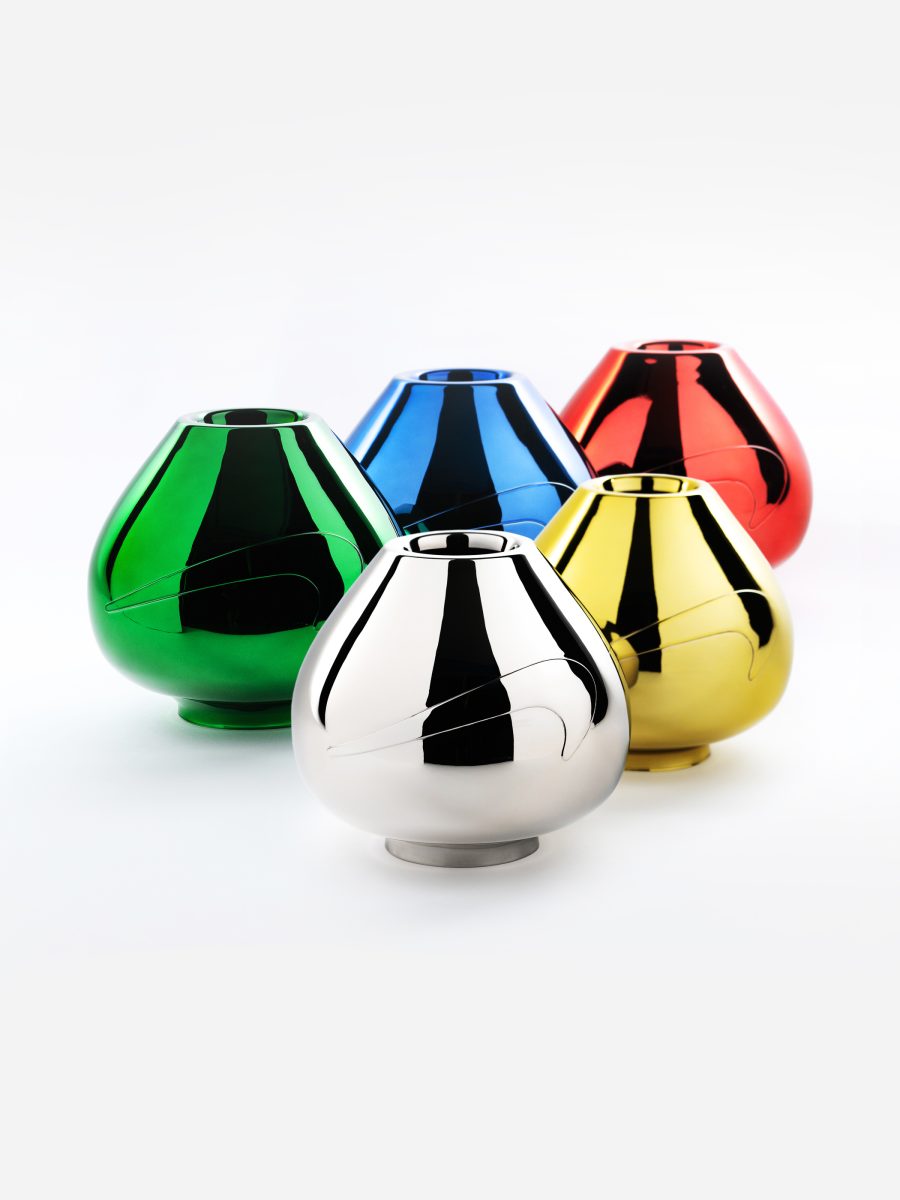
Coloured Vase (Gold)
Nickel-plated metal, tinted lacquer
21 × 23 × 23 cm (8.3 × 9.1 × 9.1 in)
Edition of 172 — Avant Arte, 2025
21 × 23 × 23 cm (8.3 × 9.1 × 9.1 in)
Edition of 172 — Avant Arte, 2025
$3,000
Inquire →
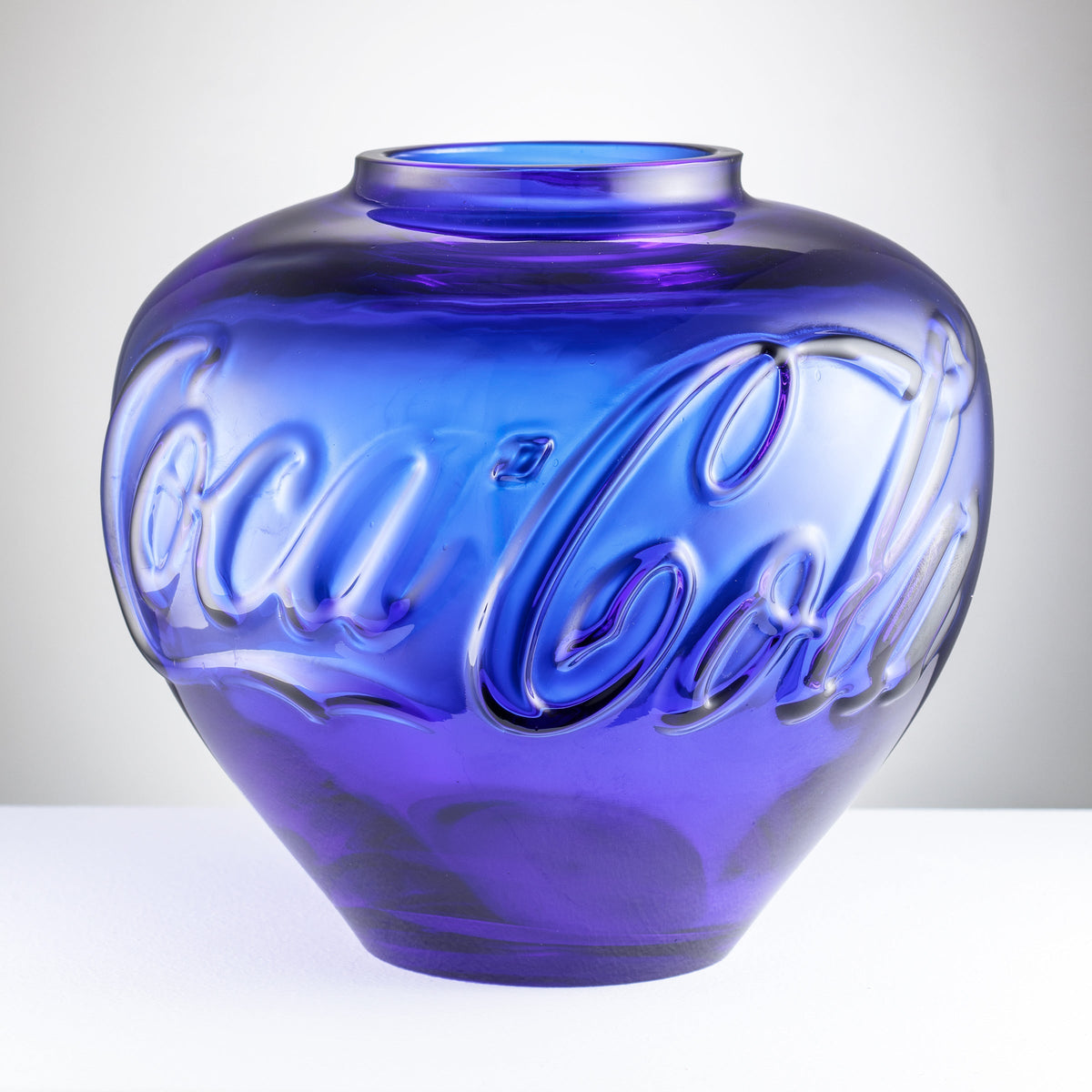
Coca-Cola Vase (Blue)
Murano glass sculpture
20.5 × 22 cm (8.1 × 8.7 in)
Edition of 100 — 2024
20.5 × 22 cm (8.1 × 8.7 in)
Edition of 100 — 2024
$12,960
Inquire →
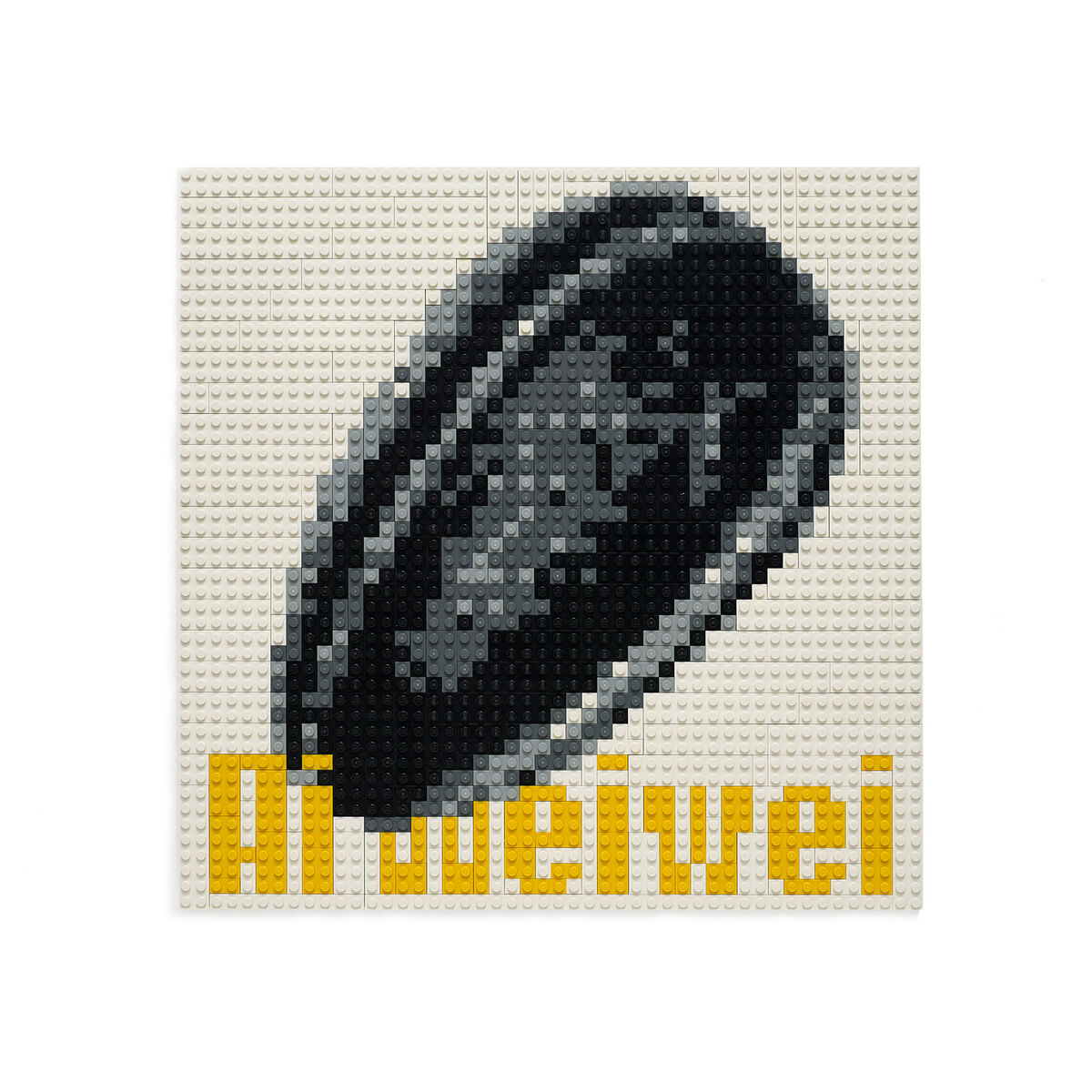
Sunflower Seed
Children's toy bricks on baseplate
38 × 38 cm (15 × 15 in)
Edition of 100 — Tate, 2024
38 × 38 cm (15 × 15 in)
Edition of 100 — Tate, 2024
$15,600
Inquire →
GG
Allin
Allin
1956–1993 — Dead Legends
Born Jesus Christ Allin. History filed him under punk shock; the file is wrong. The
prison drawings — made in Michigan's Jackson County facilities between 1989 and 1991 —
are outsider art of the first order: compulsive, prophetic, unmediated. This house
holds the majority of that body of work and intends to present it as what it is — the
art of a man the culture couldn't metabolize, evaluated at last on the work instead
of the legend. GG Allin: Born Jesus Christ, a memorial exhibition, is in
development.
Inquiries — minerva@minervasarofim.org